You have no items in your shopping cart.
Copper Pots
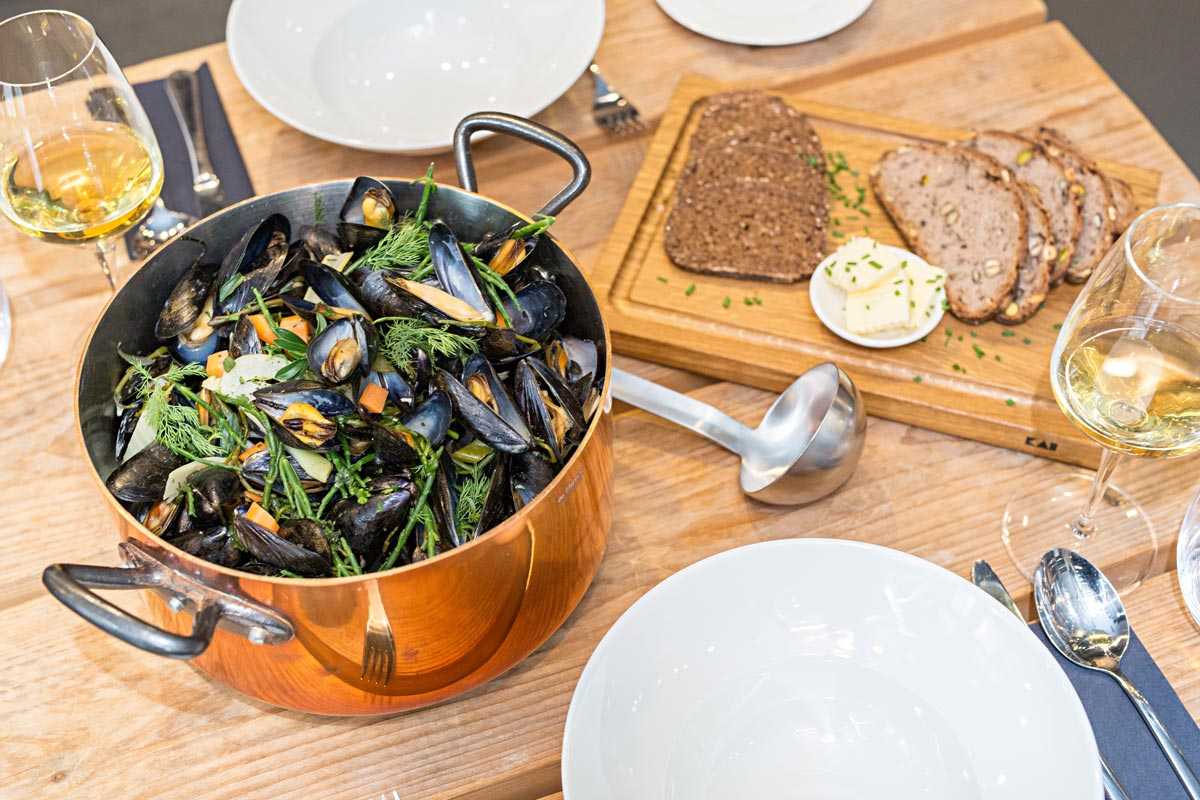
For anyone who loves cooking, they are true objects of desire. But what makes copper pots so special? Butch is happy to sing the praises of these beautiful pots.
Very Good Thermal Conductivity
The answer is quite simple. Copper has very good thermal conductivity, which is 20 times higher than that of stainless steel, for example. Heat is distributed quickly and evenly, and temperature changes are transferred immediately. This lets you cook with precision. There is a reason copper is the first choice for pastry chefs: even a difference of 5 degrees Celsius can determine success or failure.
Copper & Induction
Since copper is not magnetic, most copper pots will not work on induction cooktops. There are a few solutions, such as adapter plates. These magnetic plates heat up and then transfer the heat to the pot. This works, more or less, although the results are not really satisfactory. To make use of the properties of copper cookware on induction cooktops as well, magnetic stainless steel is applied to the base of the pot, as in the de Buyer Prima Matera series, for example. This base then heats up and transfers the energy to the pot. High speed guaranteed!
Efficiency
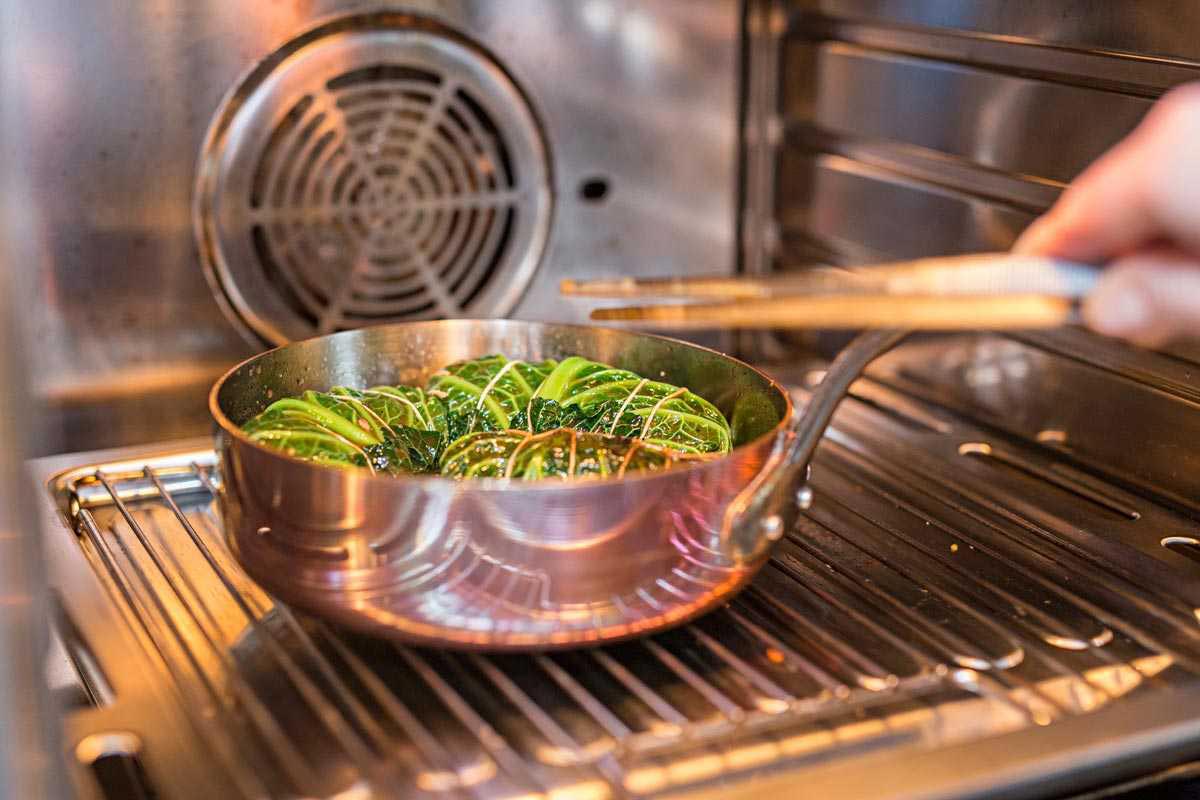
Thermal conductivity offers another advantage: saving energy. Because the cookware heats up quickly, you don't need to keep your stove running at its highest setting and can quickly turn it down. This saves time and energy and lowers costs. When frying in a copper pan, for example, a ¾ setting is more than enough to reach high temperatures.
Not all copper pots are the same
When buying, make sure you check the copper content. A pot with an outer copper alloy may look stylish, but unfortunately, it offers no cooking benefits at all. Yet these pots are often marketed as copper pots. In a genuine copper pot, the sidewalls should contain at least 75% copper. Only then does the copper deliver its benefits.
Uses
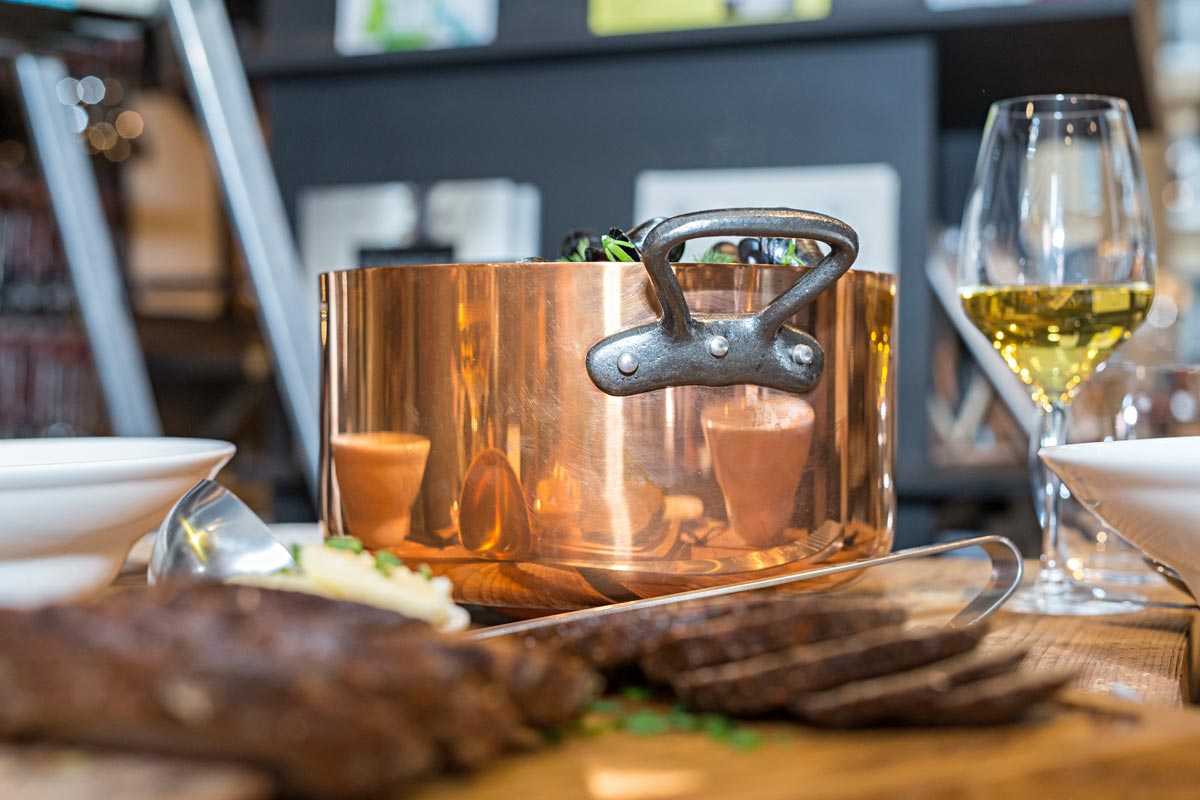
There are no restrictions on what you can cook: you can braise a delicious Boeuf Bourguignon for six hours or simply boil potatoes. A stainless steel layer inside prevents reactions with food and ensures hygienic conditions. The pots, roasting pans, saucepans, frying pans, and sauté pans available come in many sizes and shapes. So there's something for every purpose.
Care
Care is easier than you might think. Copper reacts to heat and with food. It's fascinating to watch the exterior change its appearance as the pot gets hotter. If you don't mind a little patina and like a vintage look, you don't need to do much. It happens on its own. To make copper shine again, you can use, for example, the copper care product from de Buyer, which also seals the surface. Whether you prefer a vintage or shiny look, copper pots should be washed by hand, not cleaned in the dishwasher.
Price
The prices might make you gulp. Copper itself is an expensive raw material. Considering the material used and the complex manufacturing process, we can only say that the prices aren't simply plucked out of thin air. The lifespan of copper pots should certainly not be overlooked either. There's no reason you should need to replace this cookware in the next 30 years (in fact, it will last longer). Quite the opposite: copper pots usually become heirlooms.
Once you've had the pleasure of cooking in a copper pot, you'll be spoiled for life. The heating performance, efficiency, feel, and appearance are distinctive. From a purely subjective perspective, the dishes taste better. Both subjectively and objectively, the cooking process is very good!
All of this makes copper pots a very good cookware choice and a purchase for life.
Frequently asked questions about copper pots
Why are copper pots so popular with professional chefs?
Copper pots offer very good thermal conductivity, allowing them to heat up quickly and evenly. This lets you control the temperature precisely, which is especially helpful for demanding dishes.
How do I care for my copper pot properly?
Clean your copper pot with warm water and mild dish soap. Avoid abrasive cleaners and harsh sponges to prevent scratches. You can use a special copper polish to bring out the shine.
Are copper pots suitable for induction cooktops?
Pure copper pots are not induction-compatible. However, there are models with a magnetic base that also work on induction cooktops.
Why does my copper pot change color over time?
Copper reacts with oxygen and develops a patina that protects the pot from further corrosion. This discoloration is normal and does not affect its function.
What advantages do copper pots offer over other materials?
Thanks to their high thermal conductivity, copper pots allow for precise cooking. They also have antibacterial properties and are durable with proper care.
Can I prepare acidic foods in copper pots?
Uncoated copper pots should not be used for acidic foods, as copper can react with acids. Coated models are better suited for this.